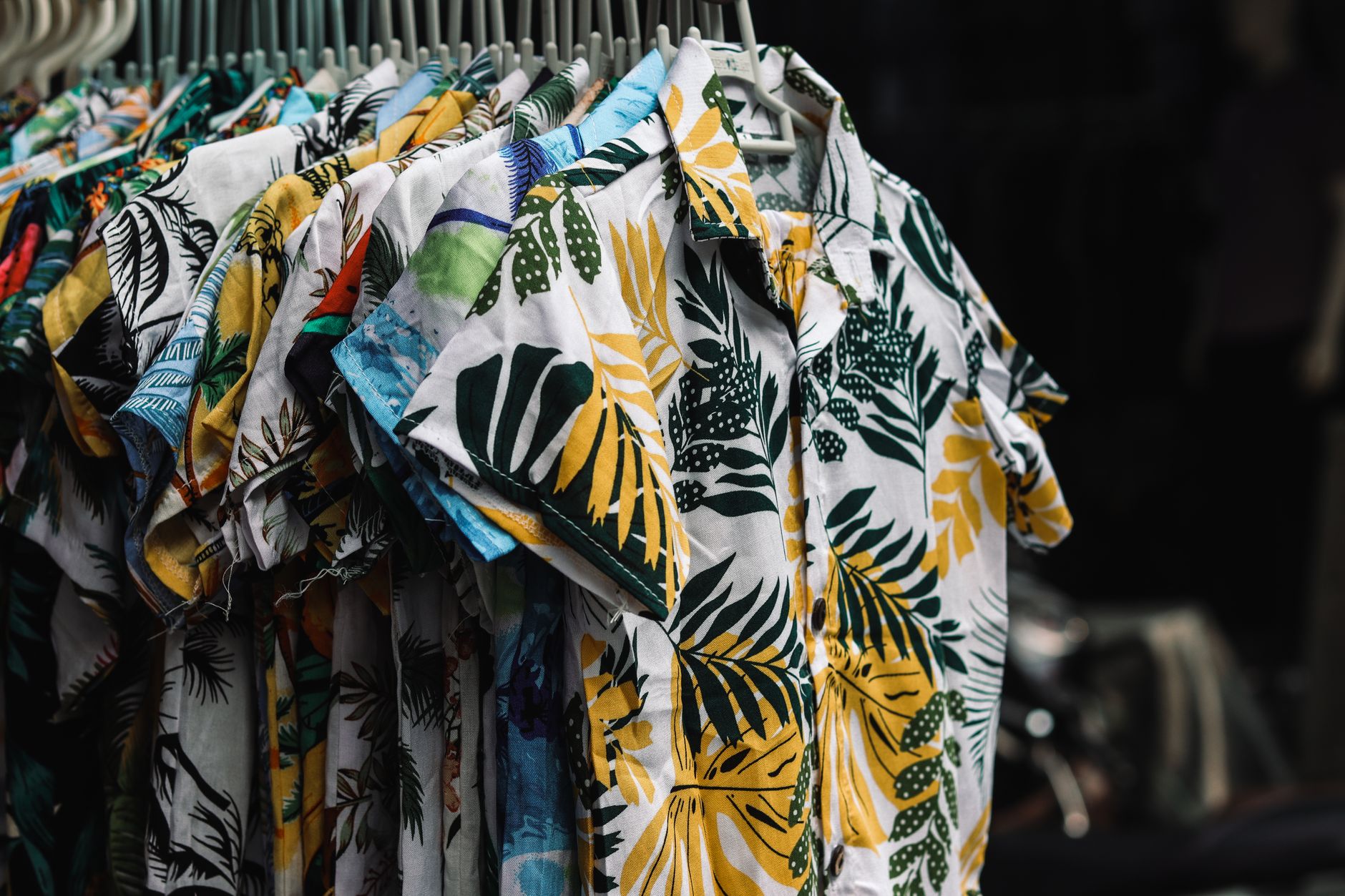
What is DTG direct to garment printing comes up a lot around custom T-shirts, small clothing brands, event merchandise, and personalised apparel. It is a rather straightforward concept, albeit presented under a somewhat technical name. DTG stands for digital to garment printing, and it's a technique that involves printing directly onto a completed piece of clothing using a specialised printer.
The setup is more akin to an inkjet printer than to any traditional screen printing setup. A flat platen with a shirt on it, artwork is prepped digitally, and then the printer applies miniscule amounts of textile ink. The image is baked in and around the fabric fibres instead of being transferred on a separate transfer sheet. That difference matters. This allows fine lines, gradients and photographs to be made to fit the method, and designs with many colours to be created without having a separate screen for each colour.
How the Printing Process Works
The territory of What is DTG direct to garment printing can now be understood after such basic production movement can now be seen. The prepared garment is placed on the printer and a digital design is printed onto it and then cured using heat. Dark garments often need a white ink base beneath the coloured design. Pretreatment helps that white layer stay closer to the fabric surface instead of sinking too deeply into the fibres. Sometimes if there is a small piece of clothing or art, the preparation may be a bit more basic. After printing, the heat aids in curing the ink. This can include a heat press or appropriate dryer. It's not a result of one factor alone, but the combination of the printer, ink, fabric, artwork, pretreatment and curing conditions.
Why Pretreatment Matters
Pretreatment is one of the less visible parts of What is DTG direct to garment printing. It makes a huge difference particularly when there is white ink at play. The liquid forms a prepared surface for the print. For dark cotton clothing, it ensures that the white underneath is still sufficiently durable to carry the colours presented on top. Colours might appear duller or less distinct if the base is not effective. Final appearance is also based on the application. Improper pretreatment can result in areas that differ in printability from the rest of the shirt. Too much or too little can create its own problems. There is a practical aspect of the process that is never included in the digital art.
Fabric and Colour Considerations
What is DTG direct to garment printing is closely tied to fabric choice. Since many DTG ink systems are geared toward cotton fabric, including cotton garments and cotton substrates, are more popular choices. Blends can also be printed, although the result may change with fibre content, garment colour, surface texture, and the printer system being used. Polyester may need varying set-up due to the different characteristics of dye migration, ink behaviour and treatment requirements. Colour of the garment is important also. A white or light-coloured shirt may be suitable for direct printing with colour inks. One more step of the production line is making a white underbase to a black or deep-coloured shirt often is required.
Detail and Design Flexibility
One reason What is DTG direct to garment printing attracts attention is its comfort with complex artwork. Digital has the potential to bring tiny detail, shifts in colour, the illusion of photograph, and soft gradations without requiring a distinct physical screen for every distinct colour.
That allows DTG to have a natural niche for individualised styles or fashion that varies from one order to the next. One graphic in a single shirt, another graphic in another shirt without needing to build another screen set up. The surface of the garment can affect crispness, though. Smooth fabric tends to give tiny details a cleaner base than a rough, loose, or heavily textured surface. Digital precision does not completely remove the physical character of the textile.
DTG Compared with Screen Printing
A discussion around What is DTG direct to garment printing often reaches screen printing fairly quickly. Displays in both methods involve art on apparel, but by different means. Screen printing is the squeezing of prepared screens with ink. Artwork preparation and screen set-up are part of this, and this approach may be appealing for repeat designs and higher volumes. DTG circumvents those screens and transfers the image from a digital file straight to the garment.
That makes short runs and detailed multi-colour artwork feel more natural for DTG. In terms of volume, specialised inks, bold spot colours and set-up production processes, screen printing can also have its own advantages. These two methods don't take the place of each other automatically. The design and size of order often influence the choice.
Where DTG Fits Best
What is DTG direct to garment printing also makes more sense when viewed through the kinds of orders that suit it. Printed t-shirts are frequently used for personalised shirts, limited editions, samples, creator tees, events and print on demand products. The digital set-up allows the artwork to shift without the need for new screens. This is helpful in garments when names, numbers, graphics or colour versions transfer from garment to garment. It also decreases the requirement for preparing a large amount prior to printing. There are trade-offs. However, with high-volume production, printing garment by garment can be slower. When physical, the pre-treatment, curing, maintenance and loading of the garments are still part of the process. DTG is digital and the production is very much tactile.
Final Thought
What is DTG direct to garment printing is, at heart, a way of taking digital artwork and placing it directly onto a finished garment with specialised textile ink. Customisation, small quantity, colour options and detail are the reasons for the attractiveness. There are some things that are a bit of a quirk about the method. Fabric choice matters. Pretreatment can matter a lot. Curing matters too. When those pieces align then DTG can create clear and neat apparel with a technique that appears well-suited to modern-day custom clothing.
FAQs
What does DTG stand for?
DTG stands for direct to garment printing.
Is DTG good for cotton shirts?
Yes. Cotton is one of the most common fabrics used for DTG printing.
Does DTG need pretreatment?
Pretreatment is commonly used for dark garments and white-ink printing.
Can DTG print photographs?
Yes. DTG can reproduce detailed artwork, gradients, and photographic images.
What is DTG direct to garment printing used for?
It is commonly used for custom apparel, short runs, personalised designs, samples, and print-on-demand clothing.
Comments
One response to “What is DTG Direct to Garment Printing Made Simple”
[…] graphics can become busy when every area competes for attention. All this can be toned down by a simple polo form that does not take away the energy. A tension between the neat collar and the freer […]